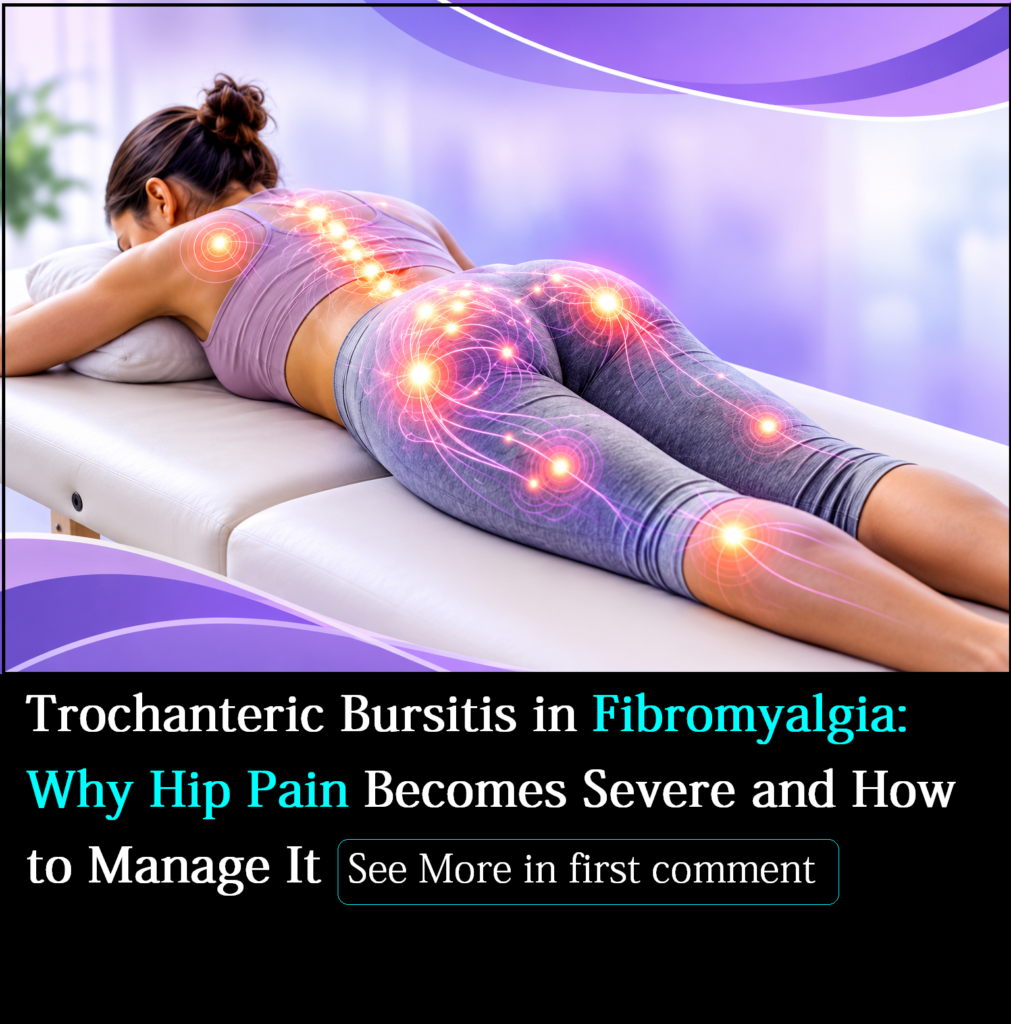
Living with fibromyalgia means facing a body that seems to be in a constant state of alert every day. Small stimuli, which for most people would be mere annoyances, can turn into waves of pain, intense fatigue, and increased sensitivity. This happens because fibromyalgia is linked to an altered functioning of the central nervous system, which amplifies pain signals.
Not everyone with fibromyalgia experiences the same triggers, but there are very common factors that often worsen the pain and make daily life difficult. Knowing these triggers is essential to better prepare for and try to reduce the impact on daily life.
Below are 10 triggers that can worsen fibromyalgia pain, along with practical tips for managing each one:
 1. Emotional and psychological stress
Stress is one of the biggest enemies of those living with fibromyalgia. Situations of anxiety, worry, pressure, or grief increase muscle tension, disrupt hormones, and can intensify pain.
 What to do: relaxation techniques (deep breathing, guided meditation, gentle stretching) and, if possible, psychological support.2. Poor and non-restorative sleep
Sleeping too little or waking up several times during the night worsens pain and fatigue. Sleep deprivation also affects concentration and mood.
What to do: create a sleep routine, avoid screens before bed, keep the room dark and quiet, and talk to your doctor if you experience signs of sleep apnea or insomnia.3. Excessive physical activity or sudden exertionOn days when the pain is more controlled, it’s common to want to do everything at once. But overdoing it can result in intense flare-ups in the following days.
What to do: practice pacing, which means dividing tasks into smaller parts, alternating activity and rest, and respecting the body’s limits.4. Climate and temperature changesCold, humidity, excessive heat, and sudden changes in weather are frequent triggers. Atmospheric pressure can also influence the pain.
What to do: wear layered clothing, maintain comfortable environments, and observe how the weather affects your body to better prepare yourself.5. Acute infections and illnessesMore severe viral infections, such as the flu and other respiratory infections, can worsen fibromyalgia, as the body is in a state of inflammation and stress.
What to do: prevent illness with recommended vaccines, take preventative care of your health, and respect the recovery time after an illness.6. Physical trauma and surgeryAn accident or surgery can intensify chronic pain or even trigger new flare-ups.
What to do: follow the rehabilitation treatment correctly, undergo physiotherapy, and plan a gradual return to activities.7. Hormonal changesMany women report worsening pain during menstruation, PMS, or menopause. Hormonal changes can directly influence pain sensitivity.
What to do: observe your cycle, note any symptoms, and talk to your doctor about strategies for relief during these periods.8. Exposure to intense sensory stimuliBright light, loud noises, and strong smells can trigger or worsen flare-ups, as fibromyalgia also involves sensory hypersensitivity.
What to do: wear sunglasses and earplugs, avoid strongly smelled environments, and reserve moments of rest in quiet places.9. Changes in medicationMedication changes or adjustments can affect sleep, mood, and pain, leading to a worsening of symptoms.
What to do: never stop or change medication on your own and report any side effects or changes you notice to your doctor.10. Associated conditions (comorbidities)Problems such as anxiety, depression, migraines, and irritable bowel syndrome can increase suffering and make pain management more difficult.
What to do: seek multidisciplinary care, including a doctor, psychologist, physiotherapist, and nutritionist, to address your health holistically. Conclusion
Living with fibromyalgia isn’t easy. Often, the pain arrives without warning, as if the body has its own incomprehensible logic. But identifying the triggers that worsen the symptoms is a powerful step towards regaining some control over your routine.
Each person has their own list of “risk factors,” so observing, noting, and learning from one’s own body makes all the difference. More than that: understanding that self-care, respecting limits, and the support of those around you can transform the burden of this condition into a lighter and more manageable path.